Introduction
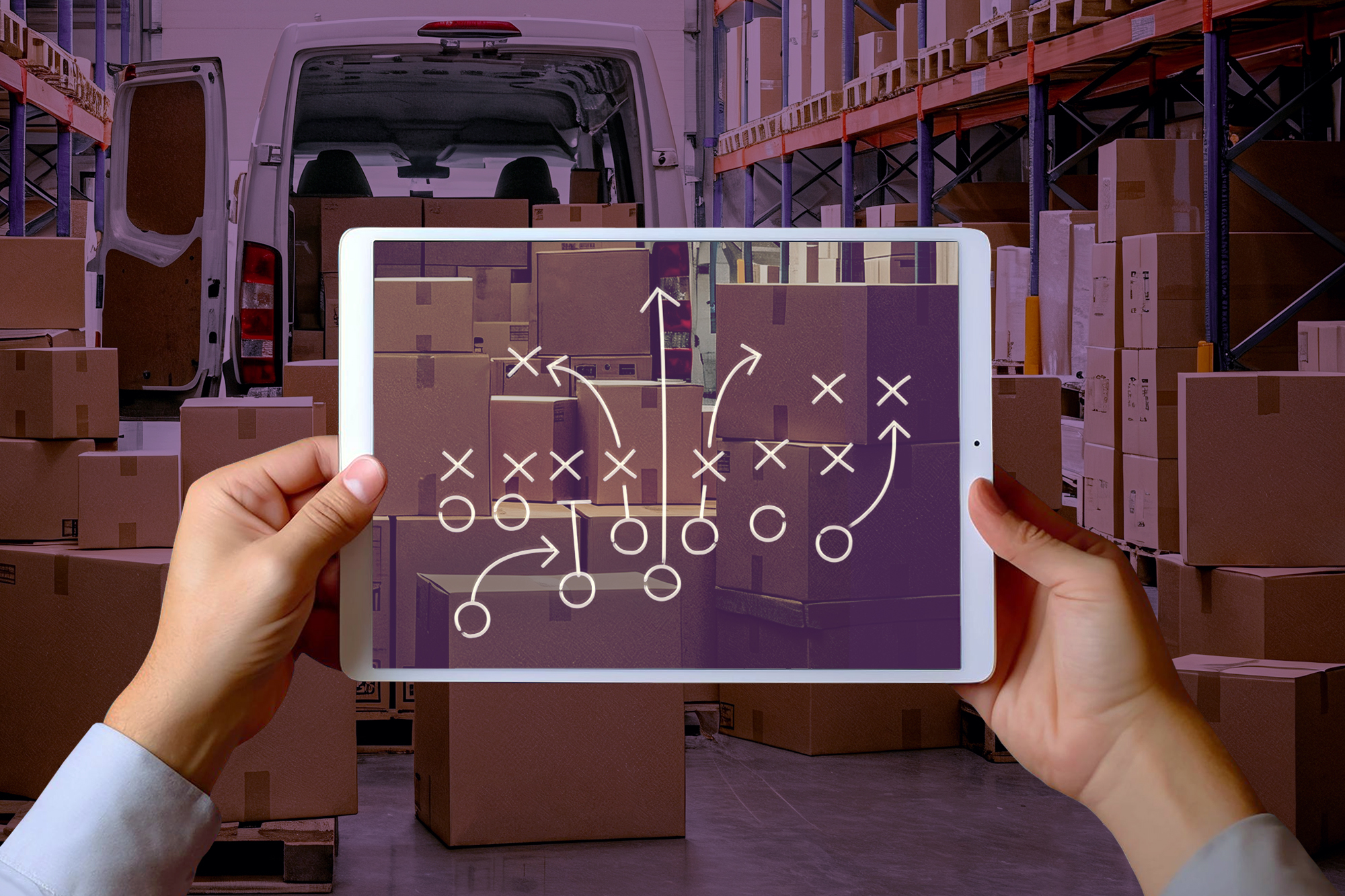
In the fast-paced world of eCommerce logistics, every second counts—and so does every decision. The ability to test proposed changes in strategy based on real-world data before implementing them can be the difference between profit and loss, happy customers and unhappy ones. This is where parcel TMS 'What If' simulations are indispensable, allowing you to validate actionable insights before putting them into practice.
Why Simulation Matters in Parcel Planning
Parcel shipping has become increasingly complex. Pricing structures, surcharges, carrier services, SKU attributes, and customer preferences all influence outcomes. While traditional dashboards and reporting analytics can reliably tell you what happened, simulations allow you to rewind and test how different assumptions could have impacted cost and delivery performance.
Just as IT professionals use sandboxes to test software, parcel TMS simulations help logistics teams prepare for uncertainty and mitigate the risk of implementing new shipping strategies.
What Are “What If” Scenarios?
“What If” scenarios are simulations that explore outcomes based on changes in variables. Examples include:
Benefits of Scenario-Based Simulations
How to Implement “What If” Planning
A Real-World Retail Example
A retailer had been single-sourcing outbound shipments to a primary carrier. Rising costs were hurting margins, but they were concerned that if they used alternative carriers, they would risk losing their primary carrier tiered discounts. They ran a “what if” simulation with a rule to maintain contract compliance volumes while routing lighter packages (under 3 lbs.) to alternative carriers.
The result? A 16% reduction in cost per package at a time when carrier rates rose at twice the rate of inflation. The retailer realized further savings by simulating the impact of changing carton sizes on unexpected dimensional adjustments.
Conclusion
In logistics, guessing—or relying on averages—isn’t enough. “What If” scenarios empower you to simulate before you ship, turning uncertainty into data-driven opportunities. Smarter planning leads to better outcomes—for your business and your customers.