Simulate Before You Ship: The Power of “What If” Scenarios in Parcel Planning
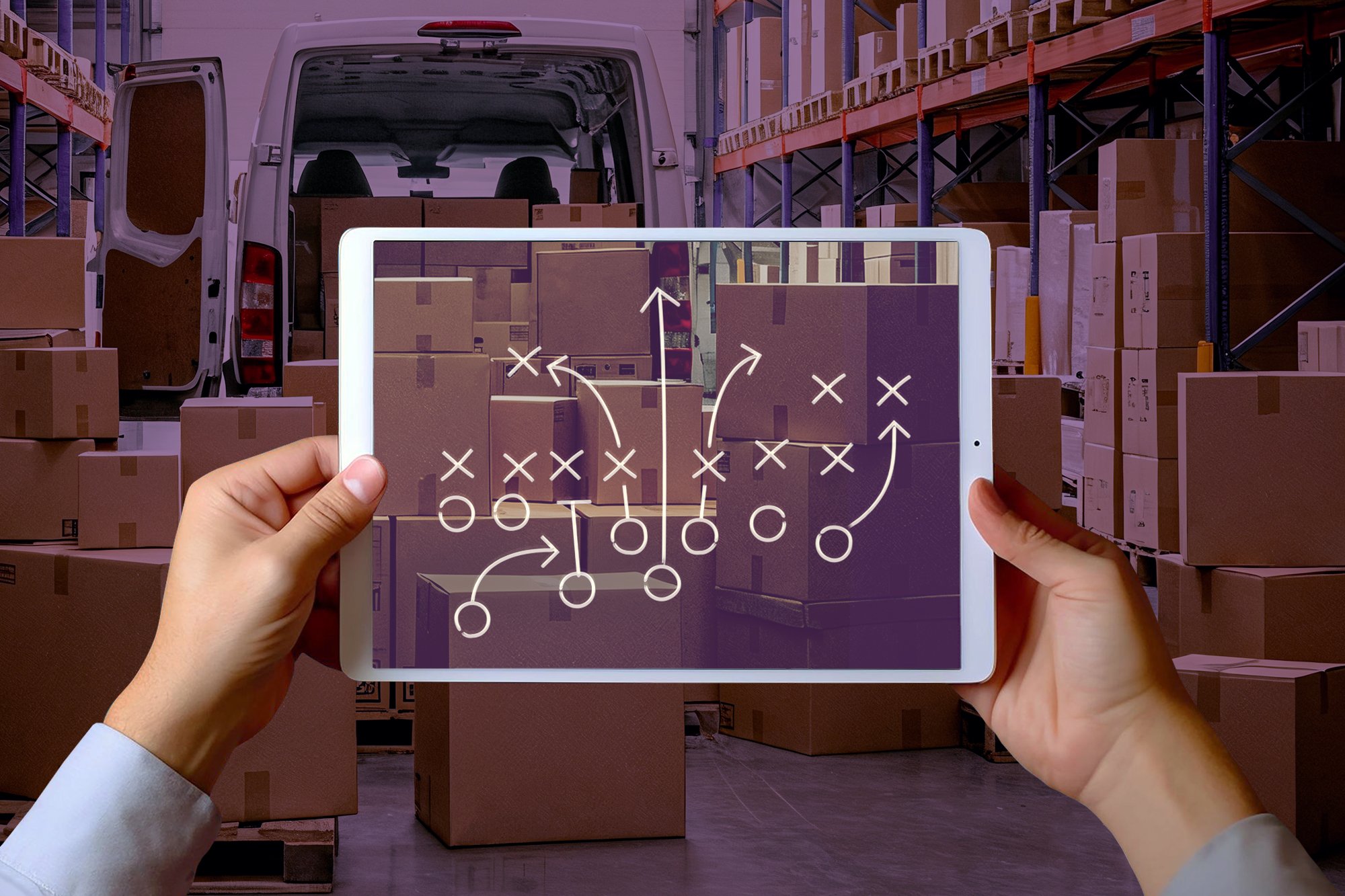
In the fast-paced world of eCommerce logistics, every second counts—and so does every decision. The ability to test proposed changes in strategy based on real-world data before implementing them can be the difference between profit and loss, happy customers and unhappy ones. This is where parcel TMS 'What If' simulations are indispensable, allowing you to validate actionable insights before putting them into practice.
Why Simulation Matters in Parcel Planning
Parcel shipping has become increasingly complex. Pricing structures, surcharges, carrier services, SKU attributes, and customer preferences all influence outcomes. While traditional dashboards and reporting analytics can reliably tell you what happened, simulations allow you to rewind and test how different assumptions could have impacted cost and delivery performance.
Just as IT professionals use sandboxes to test software, parcel TMS simulations help logistics teams prepare for uncertainty and mitigate the risk of implementing new shipping strategies.
What Are “What If” Scenarios?
“What If” scenarios are simulations that explore outcomes based on changes in variables.
Examples include:
• What if we use a different carrier in specific regions or weight ranges?
• What if our carrier applies a peak season surcharge?
• What if we change carton sizes—how will that affect dimensional weights?
• What if we add a fulfillment center in Reno, NV?
• What if we drop ship orders through a different hub?
Benefits of Scenario-Based Simulations
• Risk Reduction: Identify bottlenecks or failures before they occur.
• Cost Optimization: Test routing rules to reduce expenses.
• Waste Reduction: Simulate packing strategies to reduce corrugate costs and carbon emissions.
• Improved Customer Experience: Ensure timely deliveries even under challenging supply chain conditions.
• Agility: Use no-code business rules to respond quickly with pre-modeled contingency plans.
How to Implement “What If” Planning
1. Gather Data: Start with historical shipping data, carrier invoices, order details, and external factors.
2. Identify Opportunities: Use AI to uncover patterns and performance gaps.
3. Define Business Rules: Configure no-code rules for packing, routing, pricing, and delivery preferences.
4. Run Simulations: Use parcel TMS platforms to process thousands of rates and transit times per second.
5. Operationalize Insights: Apply findings to update business rules and improve the order-to-delivery cycle.
A Real-World Retail Example
A retailer had been single-sourcing outbound shipments to a primary carrier. Rising costs were hurting margins, but they were concerned that if they used alternative carriers, they would risk losing their primary carrier tiered discounts. They ran a “what if” simulation with a rule to maintain contract compliance volumes while routing lighter packages (under 3 lbs.) to alternative carriers.
The result? A 16% reduction in cost per package at a time when carrier rates rose at twice the rate of inflation. The retailer realized further savings by simulating the impact of changing carton sizes on unexpected dimensional adjustments.
Conclusion
In logistics, guessing—or relying on averages—isn’t enough. “What If” scenarios empower you to simulate before you ship, turning uncertainty into data-driven opportunities. Smarter planning leads to better outcomes—for your business and your customers.
EBOOK
Controlling parcel costs requires a new approach, one that can easily adapt to a rapidly changing environment with intelligent decision-making at every stage of fulfillment. To protect their margins, shippers need to close the gap between expected vs. actual costs without compromising operational efficiency or customer service levels.
This eBook explores:
- Where and why margin erosion occurs in parcel shipping and how to diagnose it.
- How modern parcel TMS platforms can operationalize decision intelligence to accurately predict and control costs.
- Examples of how Sendflex has helped shippers conquer complexity and protect their margins.
DELIVERY CONSULTATION
See What Sendflex Can Do for You
Are you struggling to keep up with the consumer demand for faster, cheaper delivery service options? Is it time for a smart multi-carrier parcel solution?
Whether deployed on premise or accessed from the cloud, our shipping platform apps and APIs support your entire extended enterprise: carrier selection, rating and routing, cartonization, shipping and drop shipping, tracking, and returns.